Secrets in British Medieval Castles: Hunt Inspiration
Medieval Castle Secrets Inspiring Sofa Sleuths Hunts
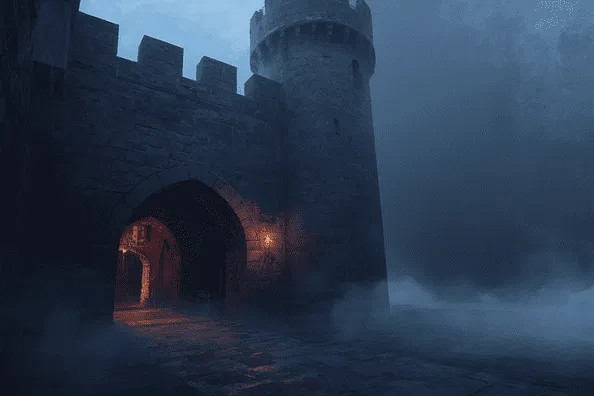
Britain's medieval castles are more than stone fortresses — they're treasure troves of secrets, from defensive murder holes to hidden priest holes and shadowy passages built for escape or espionage. These features, born of siege warfare, religious persecution, and royal intrigue, evoke mystery and clever design that perfectly fuel Sofa Sleuths armchair treasure hunts.
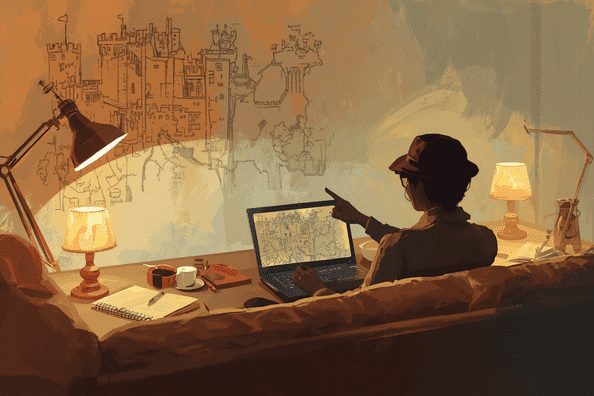
We draw inspiration from these real historical enigmas to craft layered cryptic clues — symbols of hidden chambers, defensive tricks, or concealed escapes that solvers decode from home using maps, history sites, and deduction. No spoilers for active hunts, but here's a peek at fascinating medieval castle secrets across the UK that spark our riddles and reward sharp-eyed sleuths.
Why Medieval Castle Secrets Make Ideal Hunt Inspiration
Castles were built for survival in turbulent times — Norman conquests, baronial wars, religious upheavals. Defences included clever traps and hideaways that blend function with deception. These elements mirror our hunts: clues with misdirection, layered meanings, and "hidden" spots verifiable online.
Priest holes (post-medieval but tied to castle-era Catholic houses), murder holes, secret passages — all evoke the thrill of discovery without leaving your sofa. We use their vibes for riddles involving "hidden eyes," "deadly drops," or "concealed paths," always fair and research-based.
1. Murder Holes – Defensive Deathtraps from Above
Murder holes (meurtrières) were openings in gatehouse ceilings or machicolations along walls. Defenders dropped boiling oil, hot sand, rocks, quicklime, or arrows on attackers trapped below.
Famous examples: Harlech Castle (Gwynedd) has well-preserved murder holes in its mighty gate passage; Caernarfon Castle's gatehouse features similar voids. Berry Pomeroy (Devon) shows overhanging slots for projectiles.
These inspire clues with "falling threats" or "overhead peril" — solvers interpret as symbolic drops or defensive features on maps/Street View.
2. Priest Holes – Ingenious Hiding Spots in Perilous Times
During Elizabeth I's reign (post-medieval but in historic houses/castles), Jesuit priests hid in "priest holes" to evade capture and execution. Master builder Nicholas Owen crafted tiny, camouflaged chambers — behind panelling, in fireplaces, under floors, or privy shafts.
Iconic sites: Baddesley Clinton (Warwickshire) has three surviving priest holes — one in a kitchen floor shaft, another behind wood panelling, a third in a ceiling. Hindlip Hall (Worcestershire) hid priests for days (though Owen was later tortured).
These secret compartments fuel riddles about "concealed sanctuaries" or "false walls" — perfect for layered clues narrowing to hidden architectural quirks.
3. Secret Passages & Escape Tunnels – For Kings, Queens & Traitors
Many castles had hidden tunnels for escape, supply, or surprise attacks. Warwick Castle has legends of forgotten tunnels; some claims link Edinburgh Castle to underground routes (though debated). Nottingham Castle's Mortimer's Hole (tunnel used in 1330 coup) shows real historical passages.
Other examples: Chepstow Castle's hidden corners; various sites with "secret staircases" or sally ports for sorties.
These inspire "escape route" or "underground whisper" clues — solvers trace via historical records or subtle map alignments.
4. Other Hidden Features – From Oubliettes to Graffiti Secrets
Oubliettes ("forgotten places"): Pit dungeons accessed only from above — prisoners "forgotten" in darkness (rare in true medieval form but legendary).
Prisoner Graffiti: Warwick Castle's cells have carved marks from captives — hidden stories in stone.
Machicolations & Arrow Loops: Narrow slits for archers, small windows letting in little light — defensive "eyes" inspiring watchful motif clues.
These add texture: riddles with "forgotten depths" or "etched whispers" that reward deep research.
How These Secrets Shape Sofa Sleuths Hunts
We weave castle-inspired elements into clues — symbolic lions (heraldry), hidden eyes (arrow loops), perilous drops (murder holes) — always verifiable publicly. Solvers use deduction like Holmes: observe details, eliminate impossibles, connect history to location.
The result? Cosy thrills mirroring real castle mysteries — deduction from sofa, cash prizes for breakthroughs.
Conclusion
Medieval castle secrets — murder holes raining doom, priest holes shielding faith, secret passages defying sieges — capture imagination and inspire Sofa Sleuths cryptic adventures. Britain's stone giants hide layers of history that reward curious minds.
Channel that detective spirit — observe, research, deduce — and uncover your own hidden gem from home.
Ready to explore castle-inspired mysteries?
Enter the Next Hunt Now
Follow us on the: Sofa Sleuths Facebook page
